Explore our engineering-first, highly efficient smart decorative lighting systems built for projects worldwide.
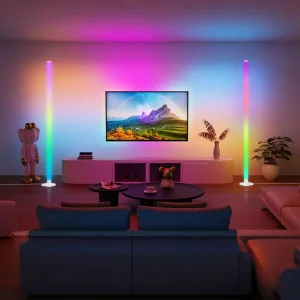
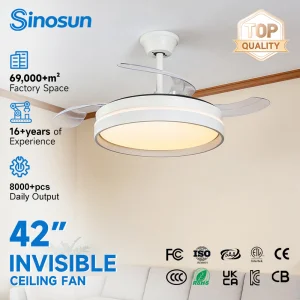
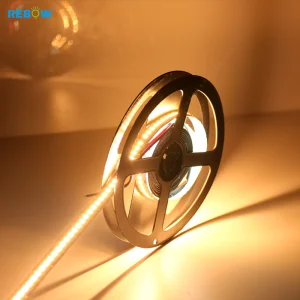
Bridging aesthetic craftsmanship with IoT capabilities to construct next-generation luminous environments.
In the modern architectural and interior design landscape, lighting has evolved from a passive utility to a dynamic, responsive medium. Smart Decorative Lighting represents the intersection of structural design, visual comfort, and cutting-edge digital control. No longer confined to simple on/off functions or rigid single-color states, contemporary decorative lighting fixtures incorporate smart microcontrollers, advanced addressable integrated circuits (ICs), and modular system protocols to allow real-time personalization, scheduling, and environmental integration.
For B2B procurement professionals, architects, and electrical design consultants, choosing the right Smart Decorative Lighting Factory & Supplier is a strategic decision. The transition from traditional luminaires to smart, connected lighting ecosystems requires deep technical understanding. Factors such as spectral distribution, color rendering indices (CRI), network topology (BLE Mesh, Zigbee, DALI, and Thread/Matter), thermal management, and long-term ingress protection (IP ratings) must be evaluated with scientific precision.
As a leading industry pioneer based in Ningbo, China, Ningbo Layr Light Co., Ltd. engineered this comprehensive guide to assist global specifiers, project developers, and wholesalers in assessing smart decorative lighting technologies, understanding manufacturing process requirements, and streamlining their supply chains for maximum efficiency and competitive cost advantage.
Sqm Production Facility
Skilled Professionals
Year Established
AOI & Aging Testing
Key technological and market drivers shaping the future of global B2B lighting procurement.
Integration of Matter, Thread, Zigbee 3.0, and Bluetooth Mesh protocols, allowing fixtures to communicate seamlessly with smart home platforms like Apple HomeKit, Google Home, and Amazon Alexa.
Dynamic Correlated Color Temperature (CCT) tuning from warm candlelight (1800K) to cool daylight (6500K) syncs with human circadian rhythms, improving productivity and comfort.
Exterior systems must withstand harsh conditions. Premium materials like outdoor-grade extruded aluminum, UV-stabilized silicone, and IP67/IP68 structures prevent environmental degradation.
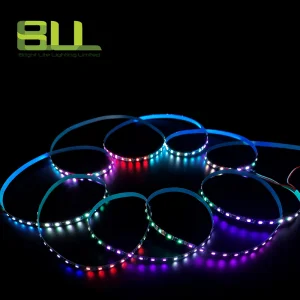
In addition to performance protocols, current projects focus on **RGBIC (Independent Control)** pixel-level addressability. Utilizing advanced control chips like the **UCS2904** or **WS2811** integrated directly into the linear strip or individual lighting modules allows developers to create complex, animated lighting installations. This is particularly popular in architectural facades, high-end retail, and smart bathroom mirrors where touch control and integrated entertainment systems demand responsive illumination.
Deconstructing the requirements of commercial and industrial buyers in North America, Europe, and Asia-Pacific.
Global procurement teams face strict regulatory frameworks and regional preferences. In North America, **UL/cUL** certification is essential for field inspectors, while European markets require comprehensive **CE, RoHS**, and **ErP** compliance, demonstrating energy efficiency and chemical safety. Furthermore, commercial bids increasingly evaluate the Life Cycle Assessment (LCA) and Unified Glare Rating (UGR) to verify that lighting designs maintain visual comfort under continuous operation.
To meet these demands, modern suppliers must offer customizable options at every level, including:
Inside Ningbo Layr Light Co., Ltd.'s modern manufacturing ecosystem.
Located in the industrial manufacturing hub of Ningbo, Zhejiang Province, Ningbo Layr Light Co., Ltd. enjoys direct access to one of the world's largest deep-water ports. This logistics advantage reduces shipping transit times and simplifies international supply chains. However, our true strength lies within our 15,000-square-meter modern manufacturing facility, where Factory 4.0 automation improves precision, output, and quality control.
Our production workflow is vertically integrated: from in-house optical engineering, hardware tooling, and SMT (Surface Mount Technology) high-speed placement lines, to automated silicone extrusion, assembly, and testing. This configuration reduces lead times, optimizes cost structures, and enables quick engineering adjustments for custom OEM/ODM requests.
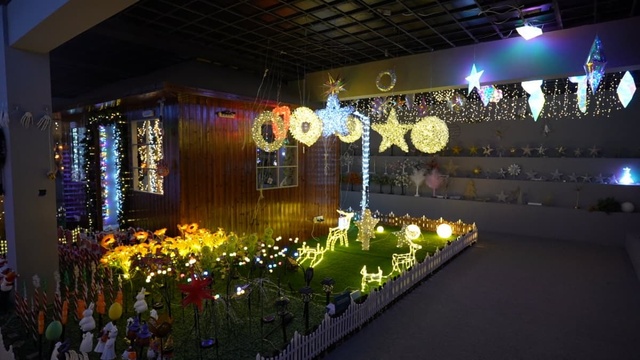
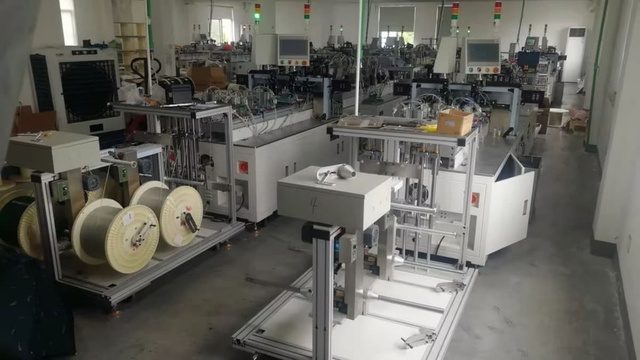
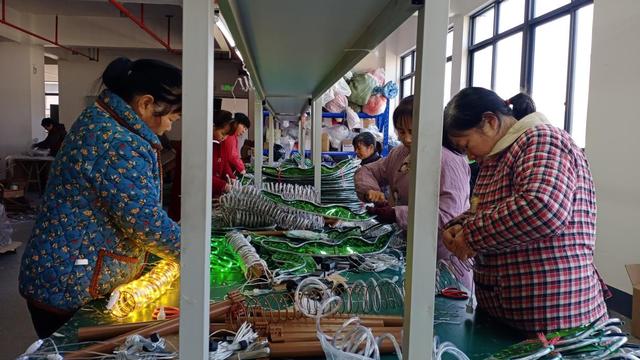
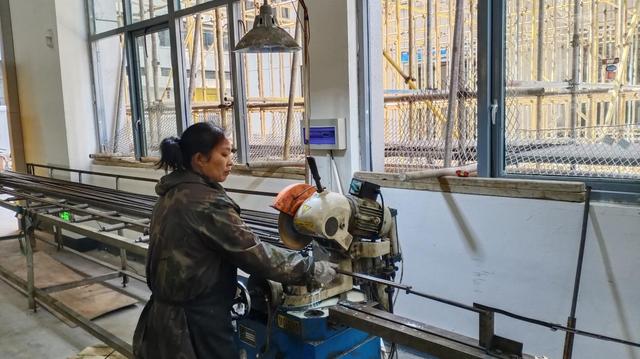
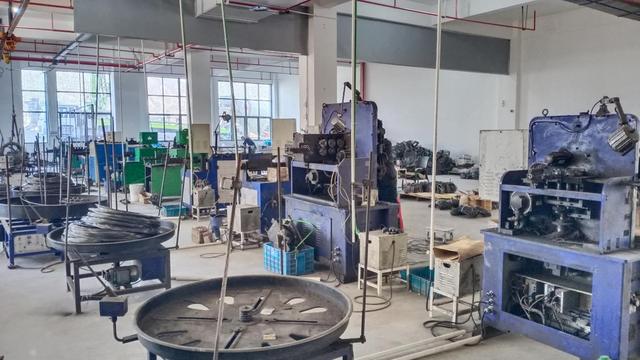
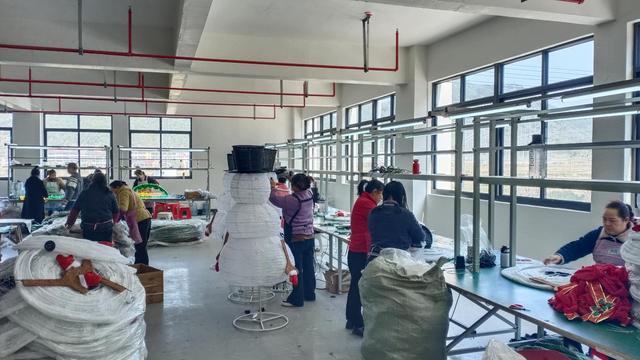


Every luminaire leaving our Ningbo facility undergoes strict testing: high-temperature aging chambers, thermal shock tests, vibration testing, and integrating sphere analysis to confirm color rendering indices (CRI) and luminous efficacy match technical specifications. For IP67 and IP68 outdoor permanent fixtures, we verify waterproof performance with pressurized submersion tests, ensuring long-term reliability in varying climates.
Smart decorative lighting solutions tailored to distinct architectural demands.
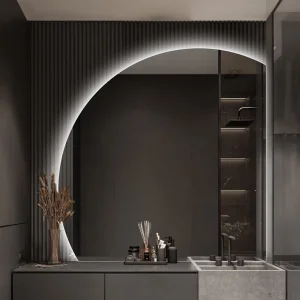
By integrating Bluetooth, touch-sensor controls, and defogging mechanisms directly into frameless vanity mirrors, we provide premium hotels and residential projects with sleek, functional, and connected fixtures.
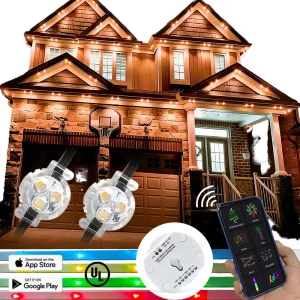
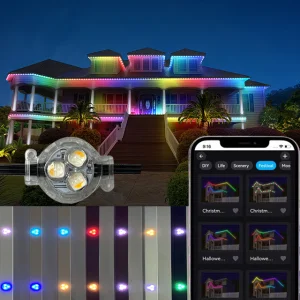
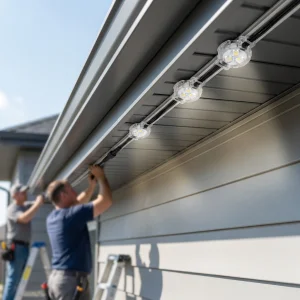
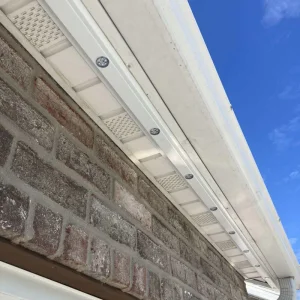
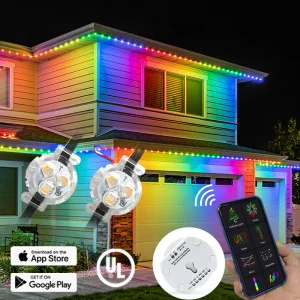
Permanent outdoor holiday lighting uses IP67/IP68 smart pixel lights. These systems blend discreetly with the home structure during the day, and offer dynamic, custom smart lighting programs at night.
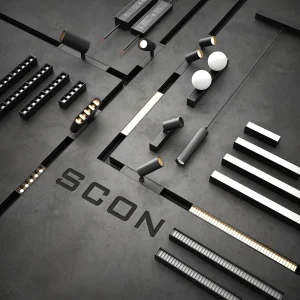
Modern commercial and residential interiors use flexible 0-10V or DALI smart dimming magnetic track systems. These systems allow occupants to move and adjust spotlights, linear floods, and pendant fixtures dynamically.
Reference technical parameters for architectural smart lighting integration.
A closer look at key factors like pixel pitch, voltage drop, and thermal management in architectural design.
For lighting designers, choosing high-performance luminaires goes beyond comparing lumen output and price. Proper design requires evaluating electrical layouts, network structures, and materials to ensure long-term stability.
Low-voltage smart lighting systems (like DC12V and DC24V LED strip lights or pixel nodes) are popular for their safety and adaptability. However, long cable runs cause voltage drop: a drop in voltage along the circuit that leads to uneven light output, flickering, or color shifts at the end of the run. To counter this, Ningbo Layr Light uses thicker copper traces (2oz or 3oz double-sided flexible PCBs) and recommends running DC24V or DC48V systems for longer installations to reduce electrical losses.
Analog RGB systems change the color of the entire strip simultaneously, limiting design options. Addressable systems (RGBIC), powered by control chips like the **UCS2904**, enable control of individual LEDs or pixel segments. This allows developers to program complex waves, dynamic shifts, and functional indicator effects. Incorporating a backup data line in addressable systems ensures that if a single pixel fails, the remaining pixels continue to receive signals, keeping the installation running smoothly.
While LEDs generate less heat than traditional bulbs, they still produce heat at the junction point. In enclosed structures like IP67/IP68 silicone tubes, heat must be managed to prevent lumen degradation and color shifts. Layr Light addresses this by mounting high-efficacy LEDs on thermal-conductive substrates, pairing them with custom-engineered aluminum extrusions that function as heat sinks to transfer heat away from key components.
Key information for engineers, buyers, and project planners.
The UCS2904 IC is a robust controller that supports high-voltage inputs and provides precise color dimming. It features an integrated current regulator, allowing it to maintain color consistency across long outdoor runs. Crucially, it supports individual pixel addressability, enabling complex programming for architectural facade displays.
We maintain strict color consistency by using high-quality LEDs sourced from vetted suppliers, adhering to tight MacAdam Ellipse steps (3-step SDCM for high-spec indoor projects). This ensures that replacement fixtures or multi-phase commercial orders match perfectly in color temperature and rendering.
We offer customization across several specifications, including flexible PCB layout and copper thickness, custom LED packaging (such as custom CCT or high CRI values), custom extrusion profiles, specific smart control integrations, and custom packaging. This allows us to support projects from design to final assembly.
Our facility and products are certified to meet major international standards. Key product lines carry UL and cUL certifications for North America, alongside CE, RoHS, and ErP certifications for Europe, ensuring compliance with local energy and safety regulations.
We use a co-extrusion process with optical-grade silicone. Unlike PU or PVC coatings, silicone remains flexible over a wide temperature range, does not yellow under UV exposure, and resists cracking. This process provides a reliable IP67/IP68 barrier against water ingress.
Standard production lead times are typically 30 to 45 days, depending on the complexity of the custom components and our current manufacturing schedule. We provide clear, itemized schedules during the quotation stage to help project planners manage their timelines.
Discover our complete line of architectural track lighting, decorative strips, and ambient lamps.
 Layr Light